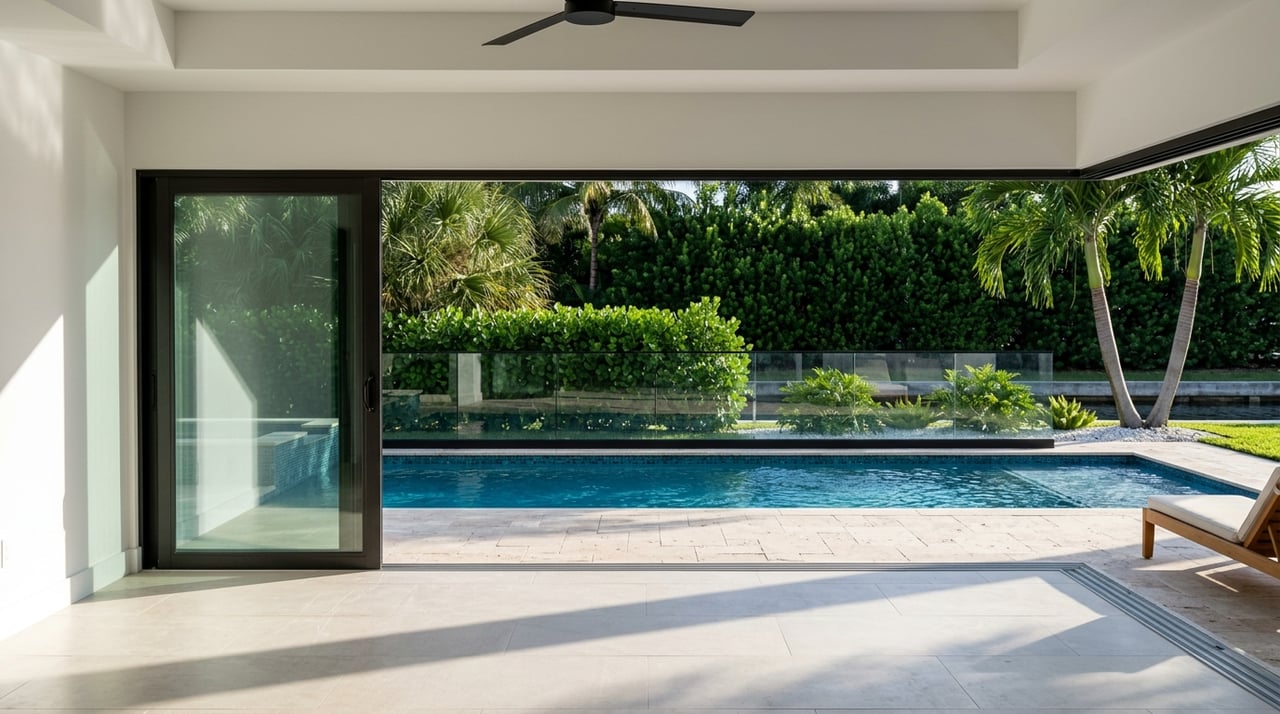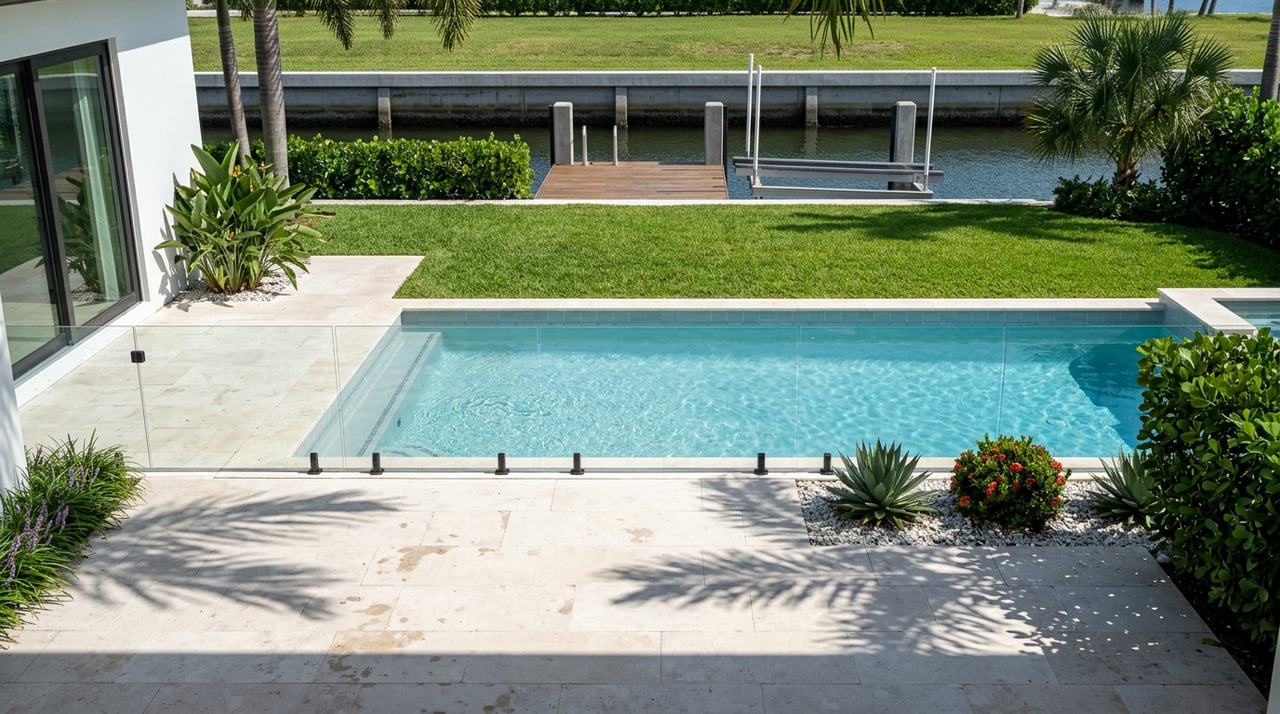
Picture this: sunrise on glassy water, coffee in hand, your boat ready at the dock. Buying a lakefront home in Windermere can deliver that life, but it also brings extra steps you do not face inland. You need to think about docks, permits, flood and insurance, shoreline health, and boating rules across the Butler Chain.
In this guide, you will learn how to evaluate frontage type, verify dock and boathouse permits, understand flood and insurance changes, and plan inspections that protect your budget. You will also get a clear checklist you can use before you write an offer. Let’s dive in.
Why the Butler Chain matters
The Butler Chain of Lakes is Windermere’s connected lake system with deeper, clearer water and high-end waterfront homes. It spans roughly 13 lakes and more than 5,000 surface acres, with county and local oversight that shapes daily life on the water. You can review an overview of the chain and its management on the county’s Butler Chain resource.
Local navigation and lake projects are coordinated with the Windermere Water and Navigation Control district and the Butler Patrol. That means county and district rules can affect docks, shoreline work, and where boats can operate. When you buy here, you are joining a managed lake system with shared rules and active enforcement.
Lakefront vs canal frontage
Not all “lakefront” is the same. Where your property sits on the chain changes value, daily use, and upkeep.
- Open lake frontage: Big-water views, stronger breezes, more boat traffic and waves, and the widest navigation options.
- Protected bays and coves: Quieter water, often good for swimming and paddle sports, sometimes more vegetation.
- Connecting canals: Narrower, shallower, and more sensitive to sediment and aquatic plants. Some canals may need periodic dredging, and boats can face depth limits.
The chain includes numerous connecting canals, and management actions like alum treatments and aquatic-plant work are part of keeping water quality high. Before you buy, ask for any recent lake-management reports and whether the area near your lot has required dredging or spot herbicide treatments. The county’s Butler Chain page is a good starting point for context.
Docks, boathouses, and permits
Buying on the chain means your dock and boathouse matter as much as your floor plan. Permit status, footprint, and condition directly impact value.
Who permits what
- Orange County Environmental Protection Division (EPD) reviews and issues dock approvals. You generally need an EPD dock permit first, then a county building permit for new docks or substantial repairs. EPD verifies setbacks, terminal platform size, roof height, and environmental impacts. Permits are typically valid for one year. See the county’s boat dock permit guidance.
- Florida Department of Environmental Protection (DEP) administers state Environmental Resource Permits. Some single-family docks may qualify for a DEP self-certification if they meet size and design limits. Confirm whether a prior owner used a DEP exemption and that it was documented. Learn more through DEP’s ERP e-permitting.
Rules to check before you buy
- Vegetation and access: Orange County typically allows a naturally vegetated access corridor along the shoreline. Work outside that area, including vegetation removal, often needs a Lakeshore Protection Permit. Seawalls, riprap, and other stabilization usually require separate review and justification. See the county’s lakeshore permitting overview in the Residential Lakeshores and Wetlands guide.
- Structural details and grandfathering: Boathouse roof heights, terminal platform sizes, and other elements have limits. Older structures may be grandfathered, but repairs or replacements can trigger new rules. Always request the full permit file from EPD and confirm building permits too. Start with the EPD dock permit page.
Local navigation and safety zones
Local boards can set boating zones, add markers, and change enforcement priorities. Recent discussions around swim and vessel-exclusion areas near Egret or Bird Island show that rules can change through public hearings. Review recent county meeting activity and news, such as this Bird Island hearing coverage, and check district notes for any markers or zone updates near your property. The Butler Chain resource can help you locate governance contacts.
Flood, seawalls, and insurance
Waterfront ownership brings unique risk and insurance planning. You want quotes and documents in hand before you remove contingencies.
Flood zones and premiums today
FEMA’s Risk Rating 2.0 changed how National Flood Insurance Program (NFIP) premiums are set. Pricing now reflects property-specific factors like rebuild cost and distance to water, not just a zone letter. Ask for the property’s flood-zone determination, request any available elevation certificate, and get both NFIP and private flood quotes. See FEMA’s summary of Risk Rating 2.0. Orange County’s environmental permitting resources can also point you to flood-map tools in the lakeshores guidance.
Seawalls and shoreline health
Seawalls and shoreline protection usually require permits or at least county review. Before you close, confirm the seawall’s permit status, age, repair history, and any engineering reports or warranties. The county’s lakeshores permitting guide outlines permit needs and shoreline best practices.
Common failure signs include leaning or settlement, cracking, low spots behind the wall, and end flanking. Repairs can range from toe protection to full reconstruction. For background on typical failure modes, review the U.S. Army Corps’ coastal guidance hosted here: EM 1110-2-1100, Part VI. If you see red flags, bring in a licensed structural or civil engineer with waterfront experience.
Wind coverage and structures over water
Windermere is inland, but hurricanes and severe thunderstorms still pose risk. Insurers often request wind-mitigation details and may price coverage differently for lakefront homes with large glass and exposed boathouses. Ask about windstorm deductibles and mitigation credits, and include dock and boathouse structures in your insurance discussions.
What drives price on the Chain
Lakefront pricing in Windermere often sits in a higher tier than similar inland homes. Buyers pay for boat-friendly frontage, unobstructed views, and access across the Butler Chain. The biggest variables that move value are:
- Frontage type: Open lake usually commands a premium over canals and narrow bays.
- Orientation and view: Wide-water vistas and sunset views often lift demand.
- Dock and seawall: Permitted status, structure size, lift capacity, and seawall condition impact both utility and future costs.
- Navigation and depth: Canal depth and any history of dredging can affect usability and maintenance.
When you compare options, rely on the most recent sold data for your exact micro-area rather than broad county medians. The Butler Chain overview can help you frame which lake or canal segment you are evaluating.
Smart due diligence steps
Use this short list to keep your offer on track and your risk in check.
- Pull the full dock and seawall permit files from Orange County EPD. If a DEP exemption applies, obtain documentation from DEP ERP e-permitting. Start with the EPD dock permit page.
- Get a flood-zone determination, request any elevation certificate, and secure NFIP and private-flood quotes under Risk Rating 2.0 before removing contingencies.
- Hire specialists: a marine-dock contractor or surveyor, and a structural or shoreline engineer if the seawall shows movement. Review common failure modes in the USACE guidance.
- Ask the seller for records: dock or boatlift warranties, seawall repair invoices, herbicide or dredge notices, and past insurance claims. The county’s lakeshores guide explains typical permits and practices.
- Confirm local boating zones and any proposed changes. Review district or advisory board minutes and recent county hearing agendas. The Butler Chain resource lists governance contacts, and local coverage like the Bird Island hearing shows how zones can change.
- Verify utilities and safety: confirm sewer vs septic and get a septic inspection if applicable. Have a licensed electrician evaluate dock power for GFCI protection and code compliance.
Your inspection game plan
A strong inspection is your best tool to avoid expensive surprises. Build a team that understands waterfront issues.
Specialists to hire
- Licensed home inspector experienced with waterfront properties
- Licensed marine or dock contractor to assess pilings, lifts, and anchoring
- Licensed structural or civil engineer for seawall evaluation, if needed
- Licensed electrician for dock and boathouse electrical systems
- Septic inspector or utility verification if the parcel is not on municipal sewer
- Environmental consultant if you have concerns about sediment or algae events
High-priority checklist
- Dock and boatlift: Inspect pilings for rot or corrosion, confirm embedment depth, evaluate connections and lift operation, and verify the permitted footprint. See permit guidance on the EPD dock permit page.
- Seawall or bulkhead: Look for leaning, cracking, toe scour, or low spots behind the wall. Request the permit and repair history. Review shoreline rules in the lakeshores guide.
- Shoreline and sediment: Ask the county or district about any recent dredging or herbicide treatments near the lot. Recurring work can signal future maintenance. The Butler Chain overview offers context on chain-wide management.
- Electrical safety: Confirm GFCI protection and code-compliant dock wiring with a licensed electrician. Unsafe dock electrical can be a high-cost, high-risk fix. See permitting touchpoints on the EPD dock page.
- Utilities: Verify sewer vs septic, pump and inspect septic systems when present, and locate drainfields. County shoreline resources in the lakeshores guide can help you plan work.
- Title and riparian rights: Confirm that dock and seawall permissions, riparian rights, easements, and any sovereign-submerged-land considerations are clear and transferable. Verify any DEP exemptions through ERP e-permitting.
Red flags worth a pause
- No permit history for an existing dock, boathouse, or seawall, or a record of unpermitted work
- Visible seawall tilt, settlement, or repeated emergency fixes without engineering reports
- Canal frontage with a history of repeated dredging near the parcel
- Advisory board minutes showing unresolved navigation disputes or planned special assessments adjacent to the property
- Flood or wind insurance quotes that exceed your budget once deductibles and coverage are set
Buying timeline tips
- Before touring: Line up an insurance agent and a marine-dock contractor you can call for quick quotes.
- During showings: Note frontage type, canal width and depth, dock size, and any signs of shoreline movement.
- Offer stage: Make your offer contingent on permit verification and inspections specific to dock, lift, and seawall.
- Inspection window: Order flood quotes under Risk Rating 2.0, pull permit files, and schedule specialists early to keep timelines on track.
Ready to explore Windermere lakefronts?
If you want the best of Butler Chain living without surprises, partner with a local, senior-led brokerage that will dig into permits, inspections, and insurance early. For a personalized plan and neighborhood-level sold data, reach out to Paulette Williams for a conversation and a FREE Market Report.
FAQs
What is the Butler Chain of Lakes in Windermere?
- It is a connected system of roughly 13 lakes with over 5,000 surface acres in southwest Orange County, known for managed navigation and water quality. See the county’s Butler Chain overview.
Who issues dock and boathouse permits in Orange County?
- Orange County EPD reviews and permits docks before county building permits, and Florida DEP oversees Environmental Resource Permits or self-certifications for qualifying single-family docks. See EPD dock permits and DEP ERP guidance.
How do no-wake or swim zones affect boating on the chain?
- Local districts and county hearings can set or modify safety zones, including vessel-exclusion areas like those discussed near Bird Island. Check current rules and recent meetings, and review context in this Bird Island hearing report.
Do I need flood insurance for a Windermere lakefront home?
- It depends on the property, lender, and your risk tolerance. Under FEMA’s Risk Rating 2.0, premiums now reflect property-specific factors, so get NFIP and private quotes before you waive contingencies. See FEMA’s Risk Rating 2.0 summary.
How should I evaluate a seawall before I buy?
- Confirm permit and repair history, look for tilt, cracks, or low spots behind the wall, and bring in a licensed engineer if anything looks off. Review shoreline permitting in the county’s lakeshores guide and failure modes in the USACE guidance.
How much should I budget for dock maintenance on the Butler Chain?
- Costs vary with dock size, materials, lift type, and canal vs open lake exposure. Get quotes from a licensed marine contractor, verify permit history through EPD, and ask about any nearby dredging or vegetation treatments noted in the Butler Chain resources.