Trying to choose between a brand-new home and a historic property in Winter Garden? You are not alone. This is one of the most common decisions buyers face here because Winter Garden offers two very different lifestyles in one market. If you are weighing convenience, character, upkeep, and location, this guide will help you compare the tradeoffs clearly. Let’s dive in.
Why This Choice Matters in Winter Garden
Winter Garden gives you a rare side-by-side comparison. On one end, you have Historic Downtown Winter Garden, where brick-lined streets, the West Orange Trail, farmers market, Garden Theatre, and museums create a more walkable and established setting. On the other, you have newer growth areas tied to Horizon West, where master-planned communities focus on newer homes, organized amenities, and commuter-friendly access.
That contrast is a big reason buyers are drawn to Winter Garden in the first place. You can choose a home with modern layouts and neighborhood amenities, or you can choose an older property with a distinct sense of place and a more traditional downtown feel.
What New Construction Offers
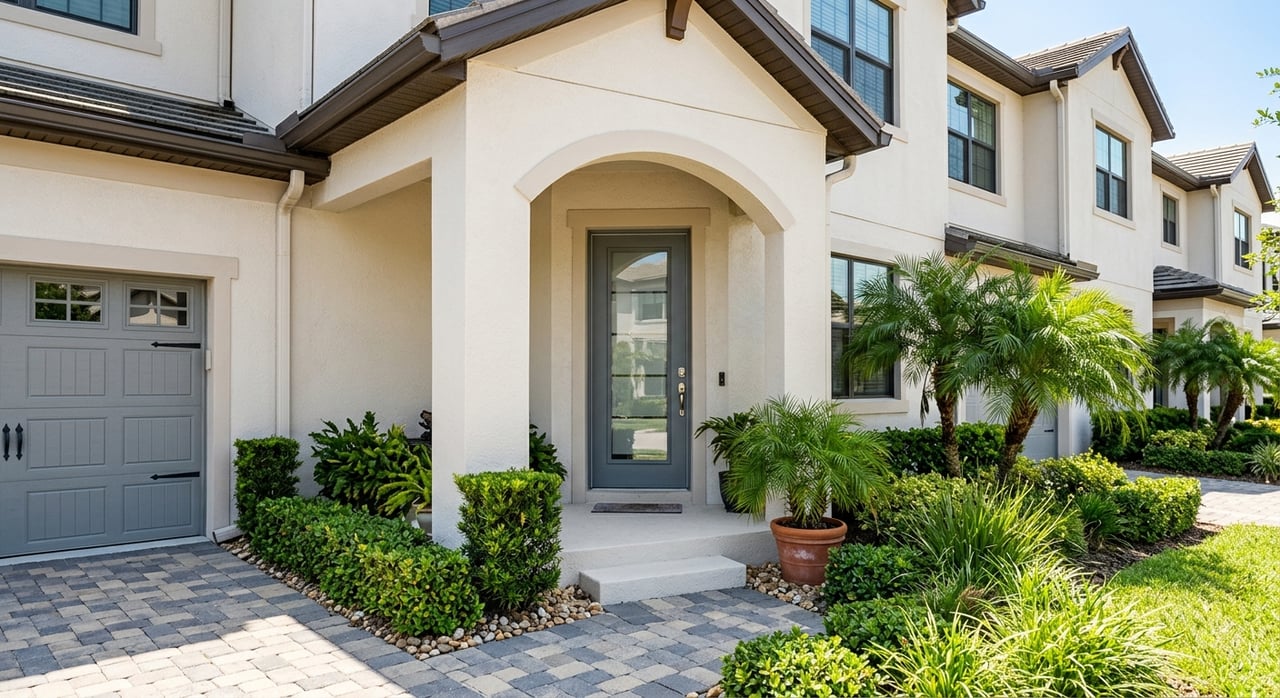
New construction in the Winter Garden area is often concentrated in Horizon West and similar growth corridors. These communities usually feature single-family homes or townhomes with shared amenities like pools, playgrounds, trails, dog parks, and open green space. Many also highlight access to major roads like SR 429 and the Turnpike.
For many buyers, the biggest benefit is simplicity. A newer home often comes with updated floor plans, newer systems, and less immediate repair pressure. In Pulte communities, for example, the builder highlights a 10-year limited structural warranty plus additional coverage for workmanship, materials, water infiltration, and mechanical systems.
New Construction Pros
- More current layouts and finishes
- Newer roofs, HVAC systems, and appliances
- Builder warranty coverage in many cases
- Community amenities may be built in
- Better access to SR 429, the Turnpike, and growth corridors
New Construction Tradeoffs
- HOA dues can add a meaningful monthly cost
- Lot sizes may be more compact and standardized
- Day-to-day errands are still often car-dependent
- The neighborhood may feel newer and less established
HOA Costs and Maintenance in Newer Communities
One of the biggest practical differences with new construction is the HOA. Based on the examples in the research, HOA fees in newer Winter Garden-area communities ranged from about $147 per month in Silverleaf Oaks to about $240 per month in Winter Grove and around $257 per month in Waterleigh. In some communities, that fee may cover services like lawn care, while some townhome communities may include roof and grounds maintenance.
That matters because the real comparison is not simply lower cost versus higher cost. In many cases, you are deciding between predictable monthly dues and more individualized maintenance responsibility. If you want fewer exterior tasks to manage yourself, a newer community may feel more convenient.
What Historic Homes Offer
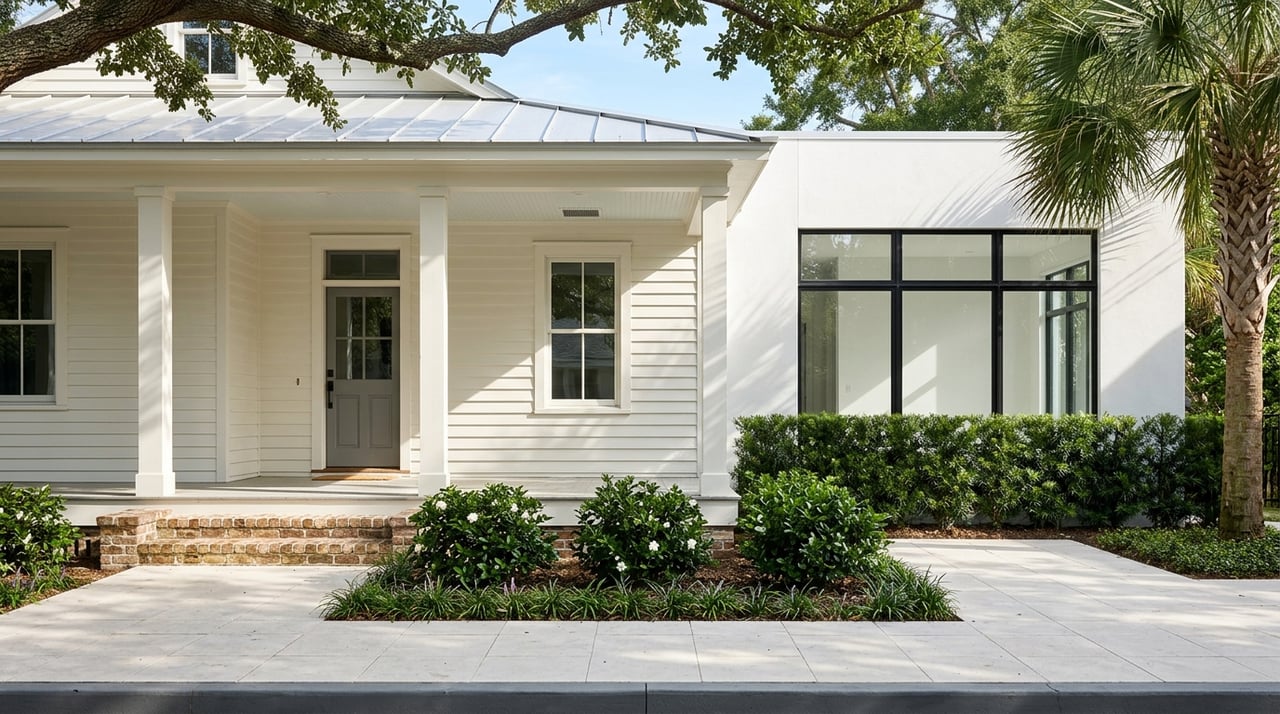
Historic homes and established neighborhoods near downtown give you a very different experience. Winter Garden describes its Historic District as an area developed roughly between 1890 and 1945, with most historic buildings dating from 1915 to 1940. The district includes about 116 acres and 270 residential and commercial properties.
For buyers, the appeal is usually character and location. Historic Downtown Winter Garden is known for its brick-lined streets, century-old buildings, pocket parks, shops, dining, and the West Orange Trail running through the center of downtown. The city also provides information about its official golf cart district, which adds to the downtown lifestyle appeal.
Historic Home Pros
- Distinct architecture and character
- Closer access to downtown attractions and the trail
- More variation in lot sizes and home styles
- Greater chance of finding no-HOA options
- Strong sense of place in established areas
Historic Home Tradeoffs
- Older systems may need more upkeep
- Renovations may require closer review in the historic district
- Floor plans may be less open or more customized over time
- Repair costs can be less predictable
Historic District Rules Matter
A historic home does not always mean complete freedom to change the exterior however you want. Winter Garden’s historic overlay district includes standards and guidelines for major improvements, renovations, redevelopment, and new construction. That protects the area’s historic character, but it can also affect how you plan future updates.
If you are considering a home in or near the historic district, this is an important step in your due diligence. You will want to understand what changes may require approval before you buy.
Lot Size and Space Differences
Lot size is another major point of contrast. In newer communities, the examples reviewed showed compact to moderate lots, including roughly 5,635 to 7,318 square feet in Winter Grove, about 7,509 square feet in Silverleaf Oaks, and around 5,974 square feet in Waterleigh.
Older downtown and established neighborhoods often show a wider range of lot sizes. The research examples included lots around 6,797 square feet, 0.24 acres, 0.30+ acres, and 0.32 acres, often without HOA fees. That does not mean every older home has a larger lot, but it does show the more varied lot pattern that buyers often find in established parts of Winter Garden.
Walkability Versus Car Convenience
Winter Garden is a mix when it comes to getting around. Citywide, Walk Score rates Winter Garden at 30 out of 100, which means the city overall is car-dependent. But downtown is the clear exception because so many amenities are concentrated in one central area.
If you picture yourself walking to the trail, restaurants, events, or downtown shops, a home closer to Plant Street will likely feel very different from a home in a newer edge community. Newer communities may offer internal sidewalks, trails, and neighborhood amenities, but daily errands are usually still more car-based.
Commute and Access Considerations
Location inside Winter Garden can shape your routine just as much as the house itself. The city describes Winter Garden as about 20 minutes west of Orlando, but your day-to-day drive will depend on which part of the area you choose.
Newer communities in Horizon West often appeal to buyers who want easier access to SR 429, the Turnpike, and the Disney and Hamlin corridor. Downtown and established neighborhoods may trade some highway convenience for better access to Plant Street, local events, and the trail. Neither option is automatically better. It depends on where you go most often.
Upkeep and Long-Term Budgeting
Budgeting is where this decision becomes very real. A newer home may lower your short-term repair risk because many systems are new and may be covered by builder warranties. That can make early ownership feel more predictable.
With older homes, budgeting should be more flexible. According to Census Bureau data cited in the research, owners spent a median of $1,800 per year on upkeep, while new owners of older homes spent a median of $3,900 per year. Common projects included plumbing fixtures, water heaters, window and door replacements, roof work, and porch or deck repairs.
That does not mean a historic home is the wrong choice. It simply means you should go in with a realistic reserve plan. Character can be incredibly rewarding, but older homes often ask for more attention.
Which Home Type Fits You Best?
The right answer usually comes down to how you want to live.
New Construction May Fit You If
- You want a more modern floor plan
- You prefer newer systems and warranty coverage
- You like community amenities
- You want easier access to major roadways
- You would rather pay HOA dues than manage as much exterior upkeep yourself
Historic Homes May Fit You If
- You value character and architectural variety
- You want to be closer to downtown Winter Garden
- You like the idea of larger or less standardized lots
- You want the possibility of a no-HOA property
- You are comfortable planning for ongoing maintenance and repairs
Final Thoughts on Winter Garden Homes
Winter Garden works so well for buyers because it does not force you into one style of living. You can choose the polish and predictability of a newer community, or you can choose the charm and personality of an established home near downtown. The better fit depends on your daily routine, maintenance comfort level, budget, and what kind of neighborhood experience matters most to you.
If you want help comparing specific homes, neighborhoods, or tradeoffs in Winter Garden, connect with Paulette Williams. You will get personalized guidance from a local boutique brokerage that can help you narrow the options and move forward with confidence.
FAQs
What is the main difference between new construction and historic homes in Winter Garden?
- New construction usually offers newer layouts, community amenities, and easier access to major roads, while historic homes often offer more character, more varied lot sizes, and closer access to downtown Winter Garden.
Are historic homes in Winter Garden located in a protected district?
- Some are. Winter Garden’s historic overlay district includes standards and guidelines for major improvements, renovations, redevelopment, and new construction.
Do new construction homes in Winter Garden usually have HOA fees?
- Many newer communities do have HOA fees, and the examples in the research ranged from about $147 to $257 per month depending on the community and what services were included.
Is Downtown Winter Garden more walkable than newer communities?
- In general, yes. Winter Garden overall is car-dependent, but the downtown area stands out because it concentrates the West Orange Trail, events, restaurants, shops, and other amenities in one central area.
Are lot sizes larger in older Winter Garden neighborhoods?
- Often, yes. The examples in the research showed that established neighborhoods near downtown often have more variation and can include larger lots than many newer subdivision homes.
Which Winter Garden home type usually has lower maintenance?
- Newer homes often have lower short-term maintenance needs because systems are newer and may include builder warranty coverage, while older homes may require more repair planning and reserve budgeting.